








































Crypto Tax Software Nigeria 2025: How to Stay Compliant with Local Regulations
Cryptocurrency adoption in Nigeria has surged, with 35% of adults using digital assets for remittances, savings, and trade. As Nigeria integrates crypto into its economy, the Federal Inland Revenue Service (FIRS) now imposes a 10% Capital Gains Tax, income tax on mining and staking, and a 7.5% VAT on exchange fees.
These changes position crypto taxation as a central priority for the government. With stricter enforcement and evolving regulations, Nigerians must maintain accurate records and reports. Utilizing Nigeria crypto tax tools designed for compliance can help users track transactions, calculate taxes, and meet FIRS obligations efficiently. As regulations mature throughout 2025, employing the best crypto tax app in Nigeria ensures clarity and reduces risk in a shifting tax landscape.
Current State of Crypto Taxation in Nigeria
Nigeria’s Federal Inland Revenue Service (FIRS) has branded cryptocurrencies as “digital assets”, subjecting them to existing tax laws under the Finance Act 2023. This marks a shift toward formal taxation of crypto activities.
Leadership by FIRS
The FIRS enforces a 10% flat Capital Gains Tax (CGT) on crypto profits. For example, selling Bitcoin at a gain triggers CGT. Income from mining, staking, airdrops, or professional crypto work is taxed under standard income brackets ranging from 7% to 24%. Exchanges also collect a 7.5% VAT on transaction fees.
Likely Taxation on Crypto Income
- Capital gains: Tax applies when digital assets are sold, swapped, or used to buy goods/services.
- Income tax: Receipts from mining, staking, wages, or airdrops are taxed like regular income, based on their market value at receipt.
The FIRS uses the TaxPro‑Max system for annual filings, with deadlines of June 30 for businesses and March 31 for individuals. Failure to report can result in fines starting at ₦10,000 or 5% of the unpaid tax. HMRC Crypto Tax Tools: Best Solutions for UK Investors in 2025
In this evolving landscape, crypto tax compliance Nigeria 2025 requires diligent record-keeping, understanding taxable events, and using robust Nigeria crypto tax tools or FIRS crypto tax reporting software. These tools simplify tax calculations, automate declaration of gains and income, and ensure alignment with FIRS obligations.
Why Crypto Tax Software Is Important in Nigeria
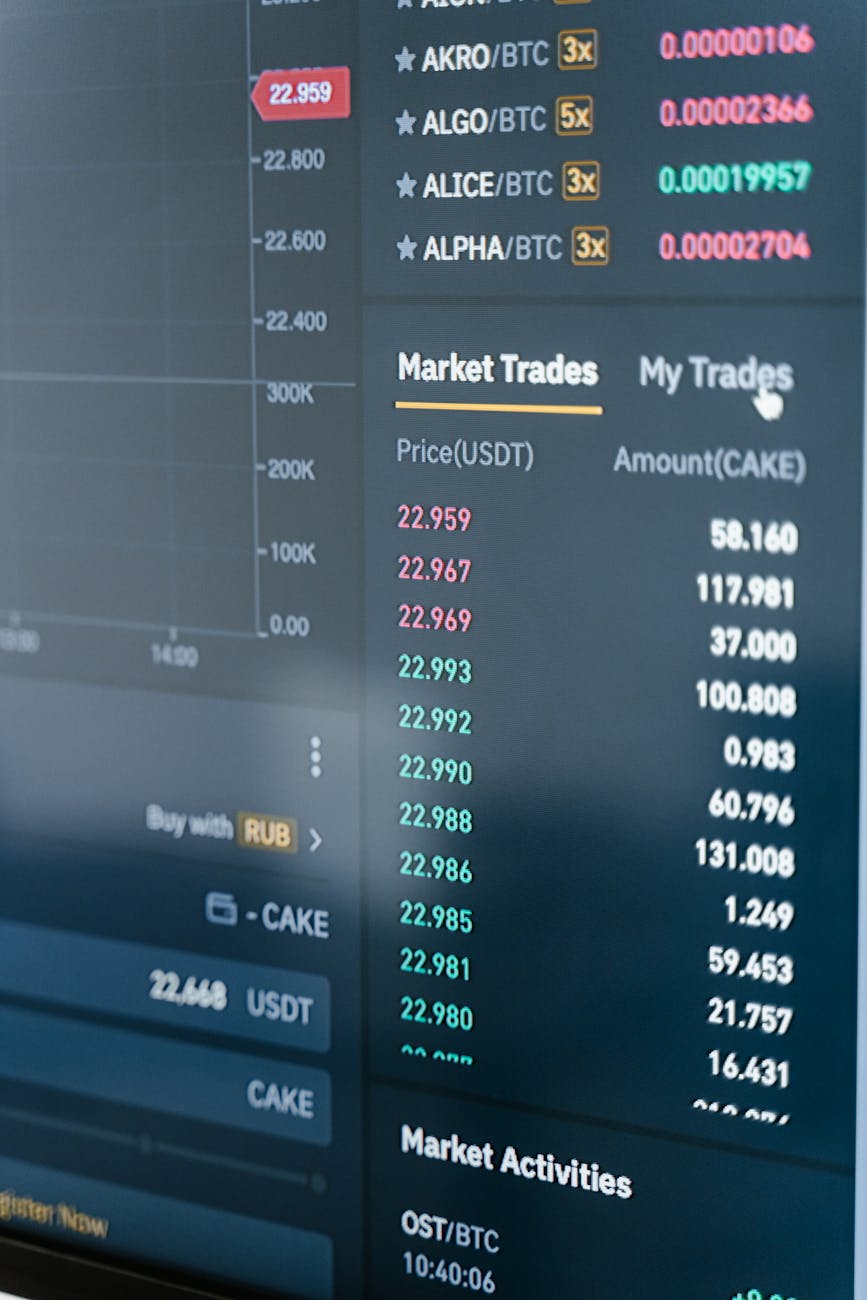
Crypto transactions in Nigeria involve complex events like swaps, staking, mining, or airdrops that can be difficult to track manually. Calculating capital gains and income tax from these activities requires converting to naira at the correct rate, which can be error-prone. FIRS expects detailed records—including trade dates, acquisition cost, disposal proceeds, and asset type—for accurate tax filing.
Using Nigeria crypto tax tools, such as the best crypto tax app in Nigeria, helps address this complexity by automatically importing transactions, converting values, and generating FIRS-compliant reports. This ensures accurate calculations for how to calculate crypto tax in Nigeria and safeguards against audit risks. With a 10% CGT on gains, standard income tax on mining/staking, and a 7.5% VAT on transaction fees administered via FIRS crypto tax reporting software, accurate documentation becomes critical .
In 2025, as the tax landscape evolves, using software designed for crypto tax compliance Nigeria 2025 streamlines tax administration and offers protection against penalties.
Features to Look for in Crypto Tax Software (Nigeria, 2025)
When selecting crypto tax tools in Nigeria, consider these critical capabilities to ensure smooth crypto tax compliance Nigeria 2025 and alignment with FIRS requirements:
- Support for Naira (₦) Conversion
The software must convert crypto transactions into Nigerian naira using accurate, timestamped exchange rates. FIRS requires tax calculations in local currency, so real-time conversion prevents valuation errors and simplifies how to calculate crypto tax in Nigeria . - Integration with Exchanges
Ensure compatibility with both local and global platforms—like Binance, Bybit, and Luno—for automated transaction imports. This avoids manual entry, minimizes mistakes, and captures complete trading history . - Comprehensive Activity Tracking
Look for tools that monitor a variety of crypto events: trades, airdrops, staking rewards, mining, DeFi participation, and NFT transfers. Each type is taxable, and robust tracking ensures none are missed when filing to FIRS. - Exportable FIRS-Ready Reports
The software should generate downloadable tax reports formatted to FIRS standards. This allows direct submission via the TaxPro-Max portal and provides precise records to support your filings. Best Crypto Tax Software USA 2025
By choosing tools tailored for the Nigerian market—often referred to as the best crypto tax app in Nigeria—you ensure reliable record-keeping, simplified tax calculations, and readiness for audits or regulatory reviews.
Best Crypto Tax Software Options for Nigerians (2025)
When managing crypto tax obligations in Nigeria, especially under evolving FIRS crypto tax reporting software regulations, reliable tools are essential. Here’s a comparison of top options:
Koinly

- Pros:
- Offers global support with seamless Naira (₦) conversion.
- Integration with major exchanges ensures complete data capture.
- Generates detailed tax-ready reports suitable for FIRS.
- Cons:
- Advanced features require paid plans; may be too complex for new users.
- Pricing:
- Free-tier (up to a certain number of transactions); paid plans start at approximately USD 49/year (~₦50,000).
CoinTracker
- Pros:
- Simple and intuitive dashboard ideal for straightforward trades.
- Supports DeFi activities and basic portfolio tracking.
- Cons:
- Limited support for NFTs; no direct ₦ conversion feature.
- Pricing:
- Free basic plan; paid plans typically begin at USD 59/year.
Accointing
- Pros:
- Easy-to-use, making it a strong best crypto tax app in Nigeria for beginners.
- Clean interface and clear data exports, suitable for FIRS submissions.
- Cons:
- May lack advanced features required for DeFi or NFT users.
- Pricing:
- Free limited version; premium options from around USD 79/year.
These Nigeria crypto tax tools cater to varying needs: Koinly for comprehensive, exchange-rich users; CoinTracker for ease of use in DeFi; and Accointing for newcomers seeking simplicity. Choose based on your portfolio complexity and desired feature set to ensure effective crypto tax compliance Nigeria 2025.
How to Use Crypto Tax Software in Nigeria (2025 Guide)
Using the right Nigeria crypto tax tools simplifies tax compliance with FIRS regulations. Here’s a clear, step‑by‑step process:
- Connect Wallets and Exchanges
Choose software that supports API or CSV import from platforms like Binance, Bybit, or Luno. This automates transaction downloads and ensures completeness. - Import and Review Data
Upload crypto activity—trades, staking, airdrops, NFTs—then review and categorize entries by type. This step aligns calculations with how to calculate crypto tax in Nigeria standards. - Adjust for Local Tax Rules
Ensure automatic conversion to Nigerian naira (₦) with accurate rates. Confirm that the software recognizes taxable events like capital gains (10% CGT), income, and VAT on fees. - Generate and Export Reports
Export FIRS-ready files with transaction summaries, capital gains, and income logs. Keep copies for personal records and upload to systems like TaxPro‑Max.
Utilizing crypto tax compliance Nigeria 2025 tools enables accurate reporting, smooth FIRS submissions, and better audit readiness.
Tips for Nigerian Crypto Traders (2025 Compliance Guide)

Staying on top of crypto taxes in Nigeria involves more than just using good tools—it requires careful habits and planning. Here are key recommendations for traders:
1. Keep a Backup of All Transactions
Maintain secure copies of all trading activity, including dates, amounts, and exchange rate used. Store CSV exports, screenshots, and wallet statements. FIRS often requests detailed logs during reviews, so backups ensure you’re prepared.
2. Stay Updated with Tax Developments
Crypto taxation rules in Nigeria are evolving. Follow official sources like the FIRS website and reliable media outlets to monitor changes in CGT rates, VAT policies, or reporting standards. Awareness helps you avoid missteps and stay compliant.
3. Consider Consulting a Tax Advisor with Crypto Expertise
The crypto tax landscape can be complex, especially with events like staking, airdrops, or cross-border trades. A tax professional experienced in digital assets can help interpret regulations and ensure accurate filings, protecting you from penalties.
Using Nigeria crypto tax tools and the best crypto tax app in Nigeria makes tracking easier, but strong record-keeping and professional advice enhance your readiness and peace of mind in achieving crypto tax compliance Nigeria 2025.
Conclusion
As digital assets gain traction in Nigeria, keeping up with crypto tax obligations is becoming a priority. Using reliable Nigeria crypto tax tools helps traders and investors automate record-keeping, generate compliant reports, and meet expectations set by the Federal Inland Revenue Service (FIRS). These tools simplify how to calculate crypto tax in Nigeria, especially as portfolios grow more complex with DeFi, NFTs, and staking.
Given that tax regulations can evolve quickly, staying informed about FIRS guidelines and any policy shifts is critical. Traders should monitor updates and be ready to adjust reporting methods to avoid penalties or confusion.
Ultimately, the best crypto tax app in Nigeria is one that fits your activity level, integrates well with your preferred exchanges, and allows exportable FIRS-ready reports. Proactive tax management not only ensures compliance—it also provides peace of mind for the future of crypto trading in Nigeria.






Leave a Reply