


































What Is Leverage in Forex Trading? (Simple Explanation for Beginners)
Leverage is one of the most misunderstood concepts among beginner traders. Many new traders encounter leverage early but struggle to understand how it truly works. It attracts attention because it allows traders to control larger positions with a smaller amount of capital. However, this same feature often leads to heavy losses when risks are not fully understood.
Misusing leverage can quickly wipe out an account, even with small market movements. This guide explains leverage in clear, simple terms. By the end, readers will understand what leverage is, why it is risky, and how to approach it responsibly when learning to trade.
What Is Leverage in Forex Trading?
Leverage in forex trading refers to the use of borrowed funds to increase market exposure beyond the trader’s actual capital. In simple terms, it allows a trader to control a larger position with a smaller deposit, known as margin. For example, with leverage, a trader does not need the full value of a trade to open a position.
Leverage ratios show how much exposure is provided. A 1:10 ratio means controlling ten units of currency for every one unit deposited. A 1:50 ratio increases this to fifty units, while 1:100 allows control of one hundred units. While leverage can amplify gains, it also increases potential losses, making risk control essential.
How Leverage Works in Forex Trading
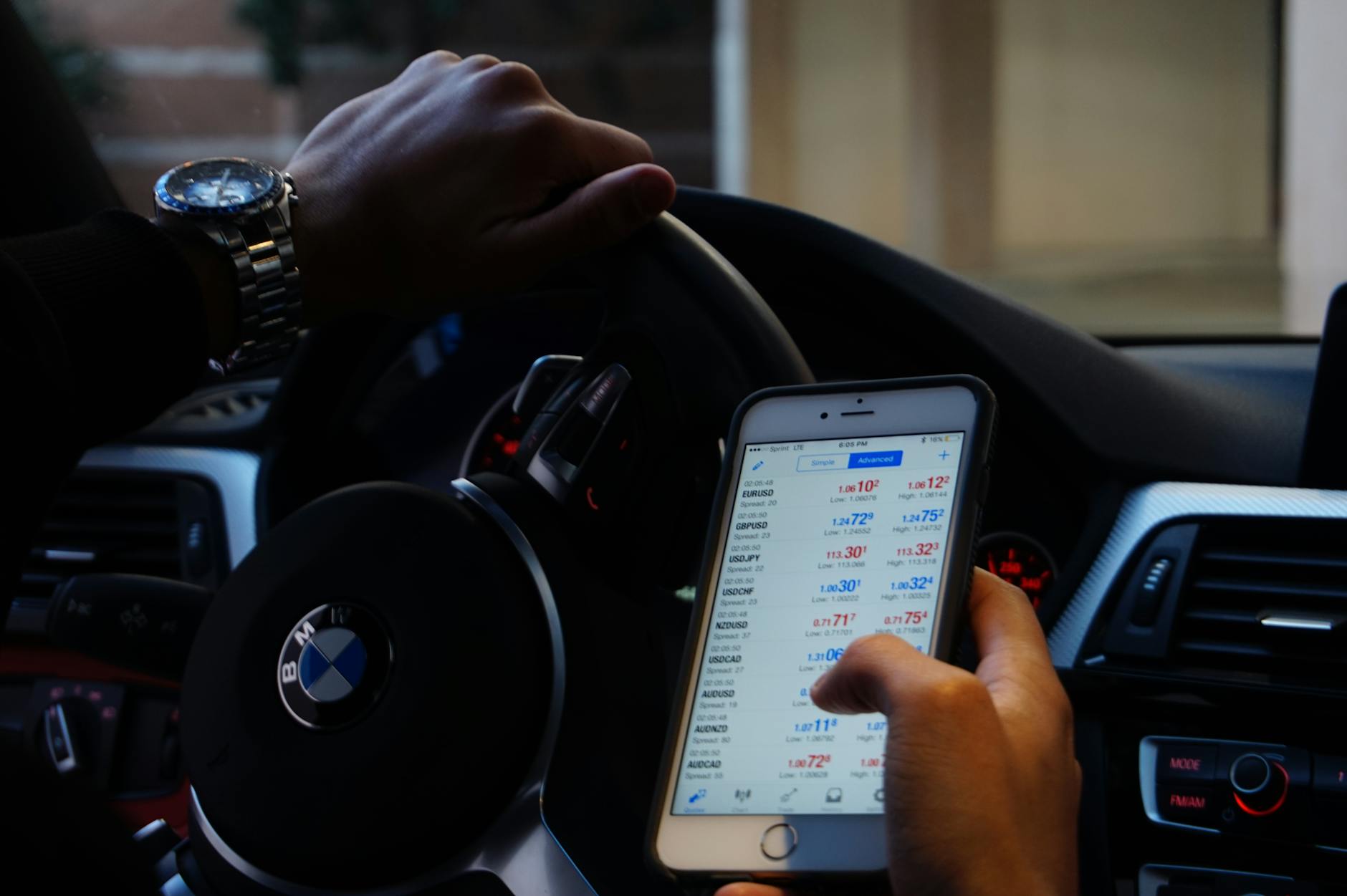
Leverage in forex trading works through a margin system that allows traders to open positions larger than their account balance. Margin is the portion of funds set aside by the broker as a security deposit for each trade. The higher the leverage, the lower the margin required. Brokers provide leverage by lending capital to traders under regulated conditions, as outlined by major financial authorities such as the FCA and CFTC.
Forex Trading Basics Explained: A Simple Guide for Beginners
For example, with $100 and 1:50 leverage, a trader can control a $5,000 position. Price movements then apply to the full position size, not just the deposited amount. This structure explains both the opportunity and the risk involved.
Leverage vs Margin (Key Differences Explained)
Leverage and margin are closely related concepts in forex trading, but they serve different purposes. Margin is the amount of money a trader must set aside to open and maintain a position. It acts as a security deposit rather than a trading fee. Margin requirements are set by brokers and regulators and are usually expressed as a percentage of the total trade size.
Leverage, on the other hand, determines how large a position a trader can control with that margin. A common beginner misunderstanding is thinking margin is a cost or that leverage reduces risk. In reality, higher leverage lowers margin requirements but increases exposure, meaning both potential gains and losses are magnified.
Example of Leverage in Forex Trading
An example helps clarify how leverage affects forex trades. Without leverage, a trader with $1,000 buying EUR/USD can only open a $1,000 position. If the price moves 1 percent, the gain or loss is about $10. With leverage, such as 1:50, the same $1,000 can control a $50,000 position. A 1 percent price move now equals about $500 in profit or loss.
According to guidance from regulated brokers and financial authorities, leverage does not change market movement, but it changes exposure. While leverage can increase potential returns, it also increases losses by the same amount, which is why careful risk control is essential.
Why Do Forex Traders Use Leverage?
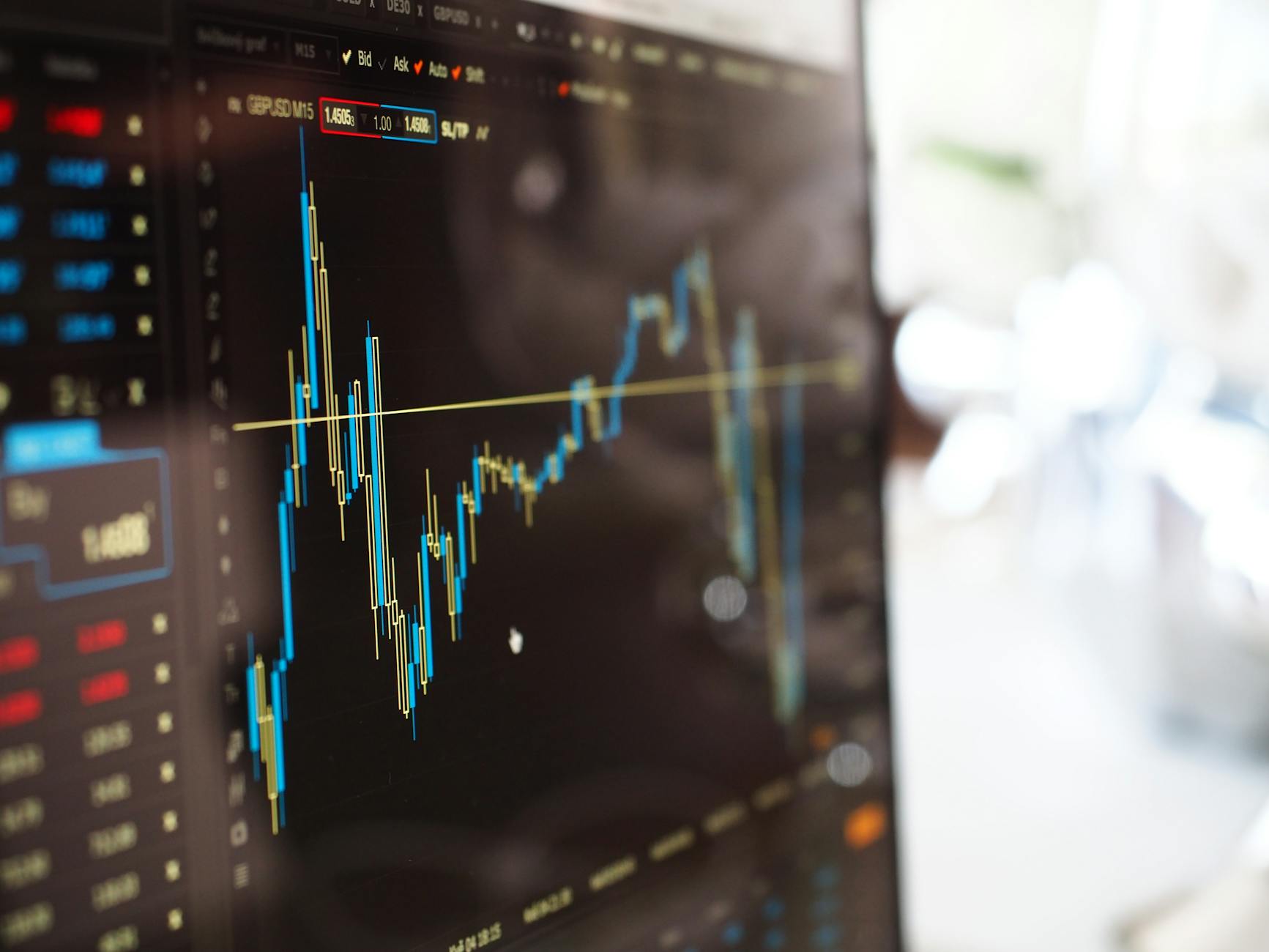
Forex traders use leverage mainly to improve capital efficiency. Leverage allows traders to control larger positions with a smaller amount of money, which can free capital for other trades or risk management. According to guidance from regulated brokers and financial authorities, leverage also provides access to global currency markets that would otherwise require very high capital.
Major currency pairs often move in small price ranges, so leverage helps make these movements meaningful for smaller accounts. Leverage also adds flexibility, allowing traders to adjust position sizes based on market conditions and personal risk limits. However, authoritative sources stress that leverage does not reduce risk. It increases both potential gains and losses, making proper education and discipline essential.
Risks of Leverage in Forex Trading
Leverage increases both opportunity and risk in forex trading. One major risk is amplified losses. Financial regulators explain that small market moves can quickly turn into significant losses when large positions are controlled with limited capital. Another risk involves margin calls and stop-outs. When losses reduce account equity below required levels, brokers may demand additional funds or automatically close trades to limit further losses. Leverage also adds emotional pressure.
Rapid price changes can trigger fear or panic, leading traders to abandon their plans or make rushed decisions. Authoritative sources such as central banks and regulated brokers consistently stress that leverage does not change market direction, only exposure. For this reason, careful position sizing and strict risk management are essential when using leverage.
Is Leverage Good or Bad for Beginners?
Leverage is neither entirely good nor bad for beginners; its impact depends on how it is used. Financial regulators explain that leverage can help traders access larger markets with smaller capital when positions are well planned and risks are controlled. However, leverage becomes dangerous when beginners use high ratios without understanding potential losses.
Small price movements can quickly reduce account balances, leading to forced trade closures. For this reason, many regulated brokers and authorities advise new traders to use lower leverage. Lower leverage limits exposure, reduces emotional pressure, and allows beginners to focus on learning market behavior rather than chasing fast gains. Overall, leverage is a tool that requires experience, discipline, and strong risk management to be used safely.
How Much Leverage Should Beginners Use?
Choosing the right leverage is an important decision for beginners in forex trading. Regulatory bodies such as the U.S. Commodity Futures Trading Commission (CFTC) and the UK Financial Conduct Authority (FCA) emphasize that lower leverage reduces risk exposure. Practical guidelines suggest that new traders should focus on protecting capital rather than maximizing position size. Leverage is closely linked to risk management because higher leverage increases both potential gains and potential losses.
Also read; How to Start Forex Trading for Beginners: A Step-by-Step Guide 2026 (No Experience Needed)
Using small leverage allows traders to apply stop-loss orders more effectively and manage drawdowns. For beginners, safer leverage ranges are often between 1:5 and 1:20, depending on broker rules and account size. This range helps limit losses while allowing traders to gain experience and understand market behavior over time.
How to Manage Leverage Risk Effectively
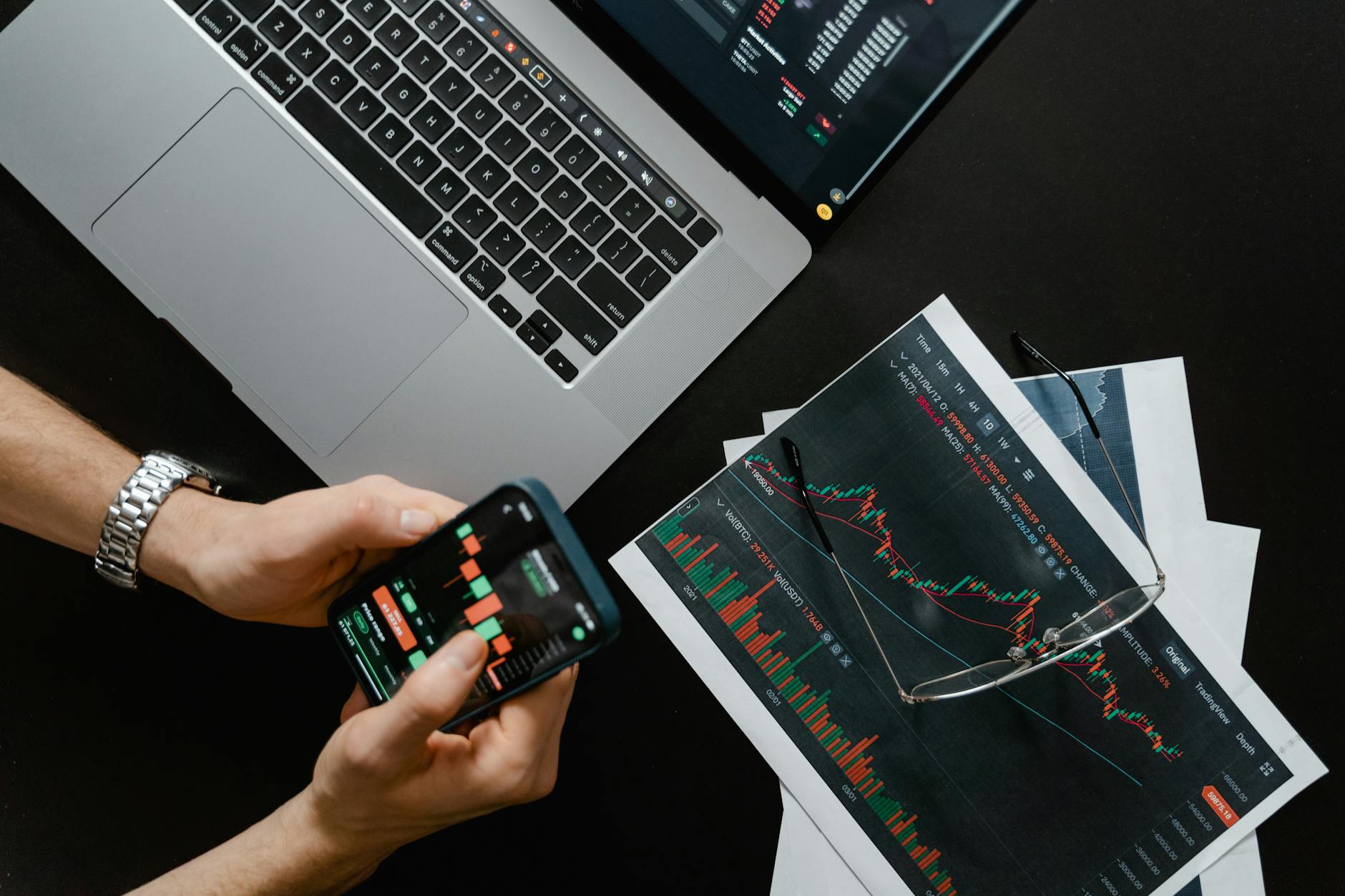
Managing leverage risk is essential for protecting capital in forex trading. Position sizing is a key tool; it ensures that each trade uses only a small percentage of your total account, limiting potential losses. Stop-loss orders are equally important, automatically closing a trade at a pre-determined level to prevent excessive loss if the market moves against you. Avoiding overexposure means not placing multiple high-leverage trades at once, which can quickly drain your account if several positions move unfavorably.
By combining these strategies careful position sizing, consistent stop-loss use, and avoiding excessive exposure beginners can control leverage risk effectively, gain experience, and build confidence while minimizing the chance of significant losses in volatile forex markets.
Leverage Rules and Regulations
Leverage in forex trading is regulated differently across regions to protect traders from excessive risk. In the United States, the Commodity Futures Trading Commission (CFTC) limits leverage for retail forex accounts to 1:50 on major currency pairs. In the European Union, the European Securities and Markets Authority (ESMA) enforces leverage limits ranging from 1:30 for major pairs to 1:2 for cryptocurrencies.
Other regions, like Asia, may allow higher leverage, sometimes up to 1:500, depending on local regulations. Regulators restrict leverage because high leverage can amplify losses, leading to rapid account depletion and increased risk of default. Understanding these rules helps beginners trade responsibly and select brokers that comply with local regulations, ensuring safer trading practices in volatile markets.
Common Leverage Mistakes Beginners Make
Beginners often make critical mistakes when using leverage in forex trading, which can lead to significant losses. One common error is using maximum leverage without fully understanding the risks. While higher leverage can increase potential profits, it also amplifies losses, sometimes wiping out accounts quickly.
Another frequent mistake is trading without a stop-loss order. Stop-losses help limit losses on each trade and are essential when using leverage, as even small market moves can have large impacts. Many beginners also confuse leverage with guaranteed profit potential, believing it automatically increases earnings. Understanding that leverage is a risk management tool not a profit booster is key to trading responsibly and protecting capital in volatile markets.
Conclusions
Leverage is a powerful tool in forex trading, but it comes with significant risks. Beginners must understand that higher leverage amplifies both profits and losses. Key takeaways include using leverage conservatively, always setting stop-loss orders, and avoiding overexposure. Understanding risk is essential to protect capital and maintain a sustainable trading approach.
For beginners, the best practice is to start with low leverage, focus on learning, and prioritize risk management over quick profits. Patience, discipline, and continuous education are critical for long-term success in forex trading while using leverage safely.
FAQ
Is leverage the same as borrowing money?
Leverage is similar to borrowing in that it allows you to control a larger position with smaller capital, but technically you’re using margin provided by the broker, not a traditional loan.
Can leverage wipe my account?
Yes. High leverage can amplify losses quickly, potentially exceeding your initial capital if trades move against you, especially without stop-loss or proper risk management.
Why do brokers offer high leverage?
Brokers provide high leverage to attract traders, increase trading volume, and allow clients to control larger positions with less capital, making trading more accessible and potentially profitable.
Can I trade forex without leverage?
Yes. Traders can use only their own capital without leverage, which reduces risk but also limits potential profits, making it a safer option for beginners.

Leave a Reply