


































Forex Trading Basics Explained: A Simple Guide for Beginners
Forex trading basics are often searched by people looking for a clear starting point in the global currency market. Many beginners feel confused by unfamiliar terms, fast price movements, and conflicting online advice. This confusion can lead to poor decisions if trading begins without proper understanding.
Authoritative sources such as central banks and regulated brokers stress that learning the fundamentals is essential before risking real money. Understanding how the market works helps beginners set realistic expectations and manage risk responsibly.
This guide explains forex trading in simple terms, clarifies how key concepts fit together, and outlines what new traders need to know before placing their first trade.
What Is Forex Trading?
Forex trading, also known as foreign exchange trading, is the process of buying one currency while selling another at the same time. According to information from central banks and regulated financial authorities, the forex market exists to allow countries, businesses, and investors to exchange currencies for trade and investment purposes.
Currencies represent the value of one country’s money compared to another. They are traded because exchange rates change based on economic conditions, interest rates, and global demand.
Forex trades are quoted in pairs. For example, EUR/USD compares the euro to the U.S. dollar. If the price rises, it means the euro is gaining value against the dollar. If it falls, the dollar is strengthening. Traders aim to benefit from these price movements.
How the Forex Market Works
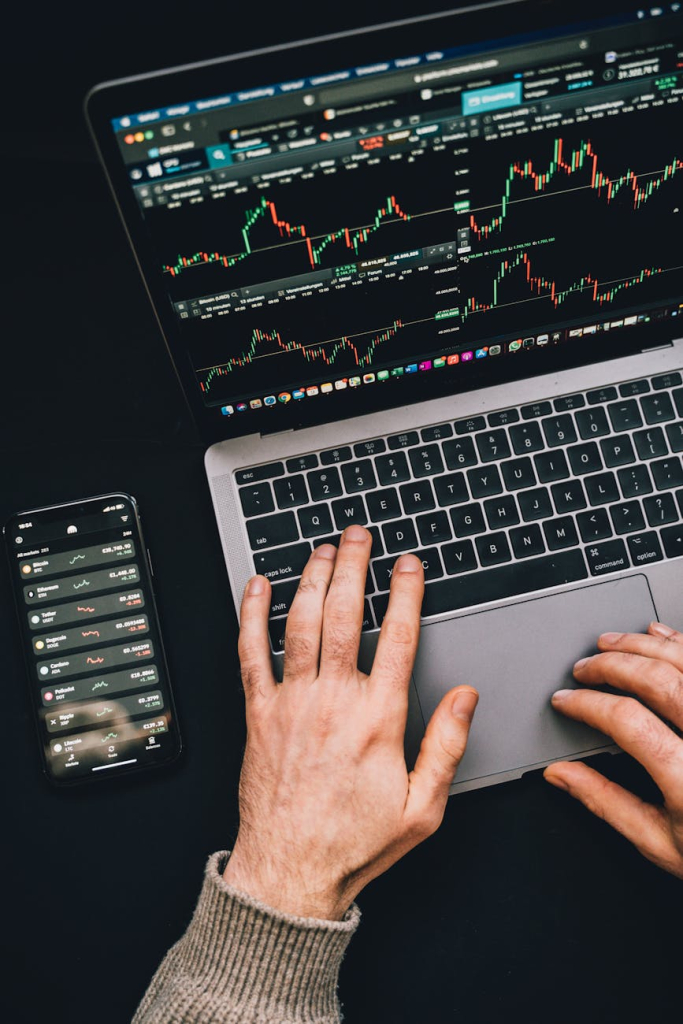
The forex market works by allowing participants to exchange one currency for another at agreed prices. Currencies are bought when traders expect their value to rise and sold when a decline is expected.
Every transaction involves two sides: buyers who demand currency and sellers who supply it. This balance of demand and supply influences exchange rates.
How to Start Forex Trading for Beginners: A Step-by-Step Guide 2026 (No Experience Needed)
Forex operates 24 hours a day because trading follows global business hours rather than a single location. As one region closes, another opens, keeping the market active.
The main trading sessions are Asia, London, and New York. According to regulated financial authorities, the London and New York sessions see the highest activity due to strong participation from banks, institutions, and global businesses.
Key Forex Trading Terms Explained
Understanding key forex trading terms helps beginners read the market with clarity. Currency pairs show how one currency is valued against another. Major pairs include widely traded currencies like EUR/USD, while minor pairs exclude the U.S. dollar, and exotic pairs involve less-traded currencies.
A pip is the smallest standard price movement in a currency pair and is used to measure gains or losses. The bid price is what buyers are willing to pay, while the ask price is what sellers request. The difference between them is called the spread, which represents trading cost.
Leverage allows traders to control larger positions with smaller capital, while margin is the required deposit. Financial regulators note that leverage increases both potential gains and losses, making risk control essential.
Why Forex Prices Move
Forex prices move due to a mix of economic, financial, and global factors. One major driver is interest rate decisions made by central banks such as the U.S. Federal Reserve or the European Central Bank. Higher interest rates often attract investors, increasing demand for a currency.
Economic news and data releases also play a key role. Reports on inflation, employment, and economic growth influence how traders assess a country’s economic health. When data differs from expectations, prices can move quickly.
Market sentiment reflects how traders feel about risk. In uncertain periods, investors often shift toward safer currencies. Global events such as political instability, conflicts, or financial crises can also affect confidence, causing rapid changes in currency prices across the forex market.
Types of Forex Trading
Forex trading can be approached in different ways, depending on time commitment and risk tolerance. Day trading involves opening and closing trades within the same day, aiming to benefit from short-term price movements without holding positions overnight.
Swing trading focuses on capturing price moves over several days or weeks. Traders rely on trends and market patterns rather than very short-term fluctuations.
Scalping is a fast-paced style where traders make many small trades within minutes, targeting minor price changes. It requires close monitoring and quick decision-making.
Long-term trading, also called position trading, involves holding trades for weeks or months. This approach relies more on economic fundamentals and broader market trends than short-term price movements.
Forex Trading vs Stock Trading

Forex trading and stock trading differ in structure and market behavior. The forex market is the largest financial market globally, with high liquidity driven by banks, institutions, and governments. This liquidity often allows faster trade execution. Stock markets are smaller by comparison and liquidity varies by company size and trading volume.
Trading hours also differ. Forex operates 24 hours a day during the business week, while stock markets follow fixed exchange hours.
In terms of volatility, forex prices are influenced by economic data and central bank decisions, while stocks react more to company performance and earnings.
Capital requirements are generally lower in forex due to leverage, whereas stock trading often requires higher upfront capital.
Risks Involved in Forex Trading
Forex trading involves several risks that beginners and experienced traders should understand. Market volatility can cause prices to change quickly due to economic data releases, interest rate decisions, or global events, leading to sudden gains or losses.
Leverage risk is another key factor. While leverage allows traders to control larger positions with small capital, it also magnifies losses if the market moves against a trade.
Emotional trading often increases risk. Fear, greed, or impatience can lead to poor decisions, such as entering trades without clear plans or exiting too early. Because of these factors, risk management is essential. Using stop-loss orders, limiting position size, and risking only a small portion of capital per trade helps reduce long-term losses and supports more consistent trading outcomes.
Basic Risk Management Principles
Risk management is a core principle in forex trading, especially for beginners. Protecting capital matters because losses are a normal part of trading, and preserving funds allows traders to stay active long enough to learn and improve.
Many professional sources, including regulated brokers and financial educators, emphasize capital protection over short-term profit.
A stop-loss is an order that closes a trade automatically when price reaches a defined loss level, helping limit downside risk. A take-profit works the opposite way by locking in gains once a target price is reached. Both tools support disciplined trading.
The risk-to-reward ratio compares potential loss to potential gain on a trade. For example, risking one unit to earn two encourages balanced decision-making and supports long-term consistency rather than quick wins.
Can Beginners Make Money Trading Forex?
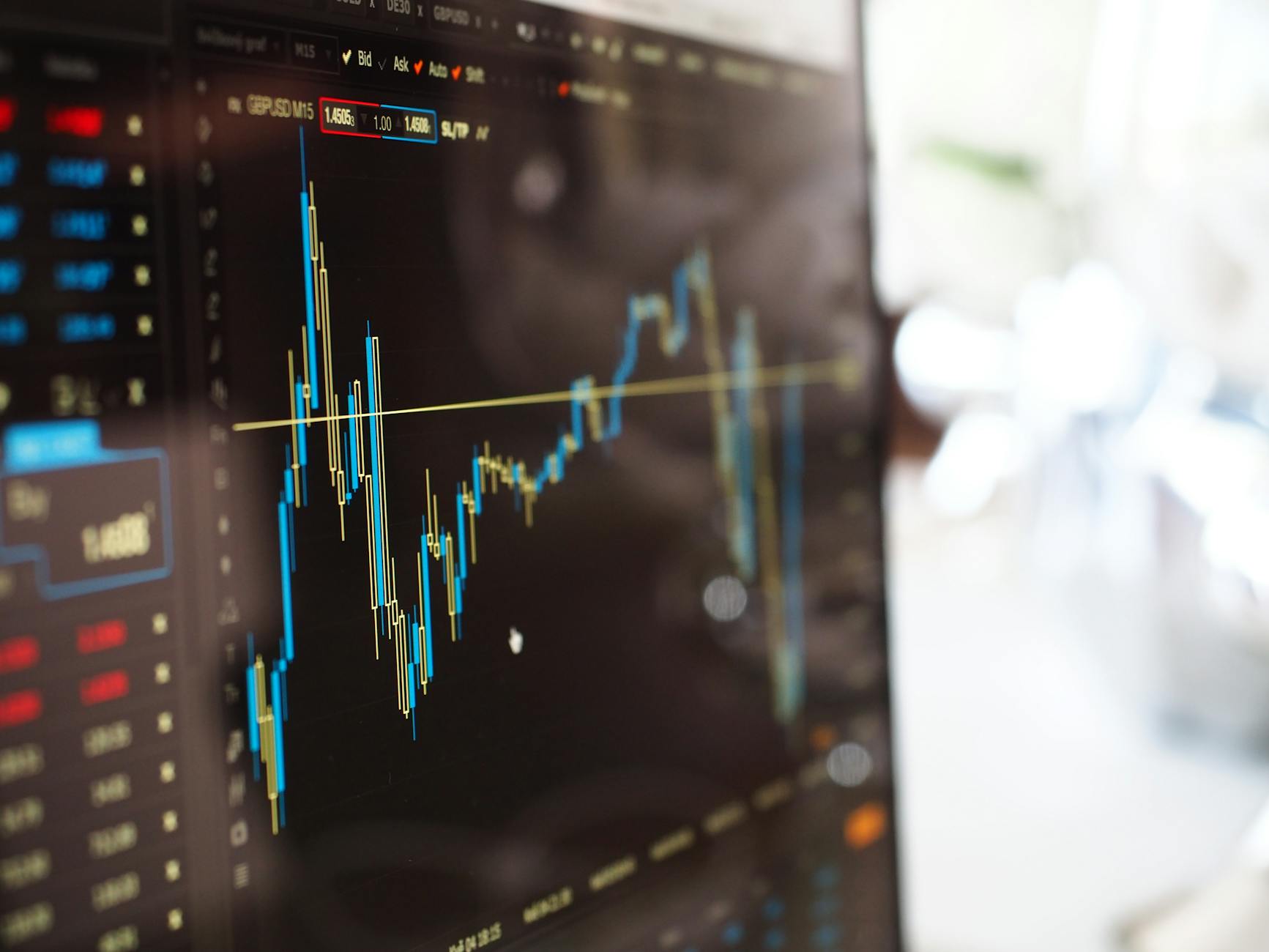
Beginners can make money trading forex, but it requires realistic expectations and a disciplined approach. Forex is not a get-rich-quick scheme, and many new traders underestimate the learning curve. Profits are possible, but losses are common at the start as beginners familiarize themselves with charts, strategies, and market behavior.
Understanding risk management, position sizing, and market analysis takes time, often weeks or months of consistent practice. Professional traders emphasize that consistency matters more than chasing quick profits. Small, steady gains accumulated over time are more sustainable than occasional large wins.
Patience, education, and disciplined execution are essential. Using demo accounts and gradually increasing capital can help beginners gain confidence while minimizing risk, improving their chances of profitable forex trading.
Common Beginner Mistakes in Forex Trading
Many beginners in forex trading make avoidable mistakes that can quickly erode their capital. Overtrading is common, entering too many positions without a clear plan often leads to unnecessary losses. Ignoring risk management is another frequent error, as beginners may trade large positions without stop-loss orders or proper position sizing.
Chasing losses, trying to recover money quickly after a losing trade can escalate losses further. Equally critical is trading without understanding the basics. Beginners often skip learning about currency pairs, pips, leverage, and market dynamics, which leads to poor decision-making.
Successful forex traders emphasize discipline, proper education, and consistent application of risk management. Avoiding these mistakes helps beginners protect capital and build a strong foundation for long-term trading success.
Conclusions
Forex trading offers opportunities but carries risks that beginners must understand. Grasping the basics, including currency pairs, pips, leverage, and market hours, is essential before risking real capital.
Learning how the market works, practicing with demo accounts, and applying risk management strategies help protect your funds and build confidence. Beginners should focus on education and discipline, avoiding common mistakes like overtrading or emotional decisions.
Start small, track your performance, and gradually increase exposure as you gain experience. By prioritizing learning and preparation, new traders can approach forex with realistic expectations and improve their chances of long-term success.
FAQ
Is forex trading gambling?
Forex trading is not gambling when approached with education, strategy, and risk management. Unlike gambling, success relies on analysis, planning, and disciplined decision-making rather than chance.
Is forex trading legal?
Yes, forex trading is legal in most countries, including the U.S. and UK. Traders must use regulated brokers and comply with local financial laws.
How long does it take to learn forex?
Learning forex varies, but beginners typically need several months of study and practice to understand the basics, strategies, and risk management before trading consistently.
How much money do I need to start?
Beginners can start with a small account, often $100–$500. Risk per trade should be low, focusing on learning rather than making immediate profits.

Leave a Reply