



































How to Start Crypto Trading Step by Step 2026 (Beginner’s Guide)
Crypto trading refers to buying and selling digital assets, such as Bitcoin or Ethereum, with the aim of benefiting from price changes. For beginners, the market can appear simple, but many lose money early due to poor risk control, limited knowledge, and emotional decisions.
Reports from major exchanges and financial regulators consistently show that lack of structure is a common cause of losses. This guide focuses on a clear, step-by-step approach to help reduce common mistakes.
By the end, readers will understand basic concepts, practical risks, and how to approach crypto trading with better planning and discipline.
What Is Crypto Trading?
Crypto trading is the act of buying and selling digital currencies, such as Bitcoin or Ethereum, to benefit from price movements. According to guidance from major financial regulators and established exchanges, it focuses on shorter-term price changes rather than long-term holding.
This is where trading differs from investing. Investing usually involves buying crypto assets and holding them for months or years based on long-term belief in the project, while trading aims to take advantage of shorter price fluctuations.
Spot trading means buying or selling crypto and owning the asset directly at the current market price. Futures trading, in contrast, involves contracts that speculate on future prices without owning the asset itself. Futures can increase risk due to leverage, making them less suitable for beginners.
Is Crypto Trading Safe for Beginners?

Crypto trading carries real risks for beginners, mainly due to high price volatility and limited regulation in some markets. Authoritative sources such as financial regulators note that crypto prices can change sharply within minutes, which increases the chance of sudden losses. Security risks, including hacks and poor wallet management, also affect inexperienced traders.
A common misconception is that crypto trading guarantees fast profits. Many beginners underestimate how quickly losses can occur, especially when trading frequently or using leverage. Another misunderstanding is believing that popular coins are always safe, regardless of market conditions.
Crypto trading is more suitable for individuals who are willing to learn, manage risk carefully, and accept possible losses. Beginners should start cautiously, use small amounts, and focus on education before active trading.
How to Start Crypto Trading Step by Step
Step 1 – Learn the Basics of Cryptocurrency
Cryptocurrencies are digital assets that use cryptography to secure transactions. According to widely accepted financial and academic sources, they operate on blockchain technology, which is a shared public record of transactions. Prices move quickly because crypto markets trade 24/7 and react fast to news, demand, and market sentiment.
Step 2 – Choose a Reliable Crypto Exchange
A crypto exchange is a platform where users buy and sell digital assets. When selecting one, consider security history, regulatory compliance, supported assets, and fees. Centralized exchanges are managed by companies, while decentralized exchanges run on smart contracts. Beginners often start with centralized platforms due to simpler interfaces and customer support.
Step 3 – Create and Verify Your Account
Most regulated exchanges require identity verification, known as KYC. This process helps prevent fraud and complies with financial regulations. Verification also increases account security and allows access to higher trading limits.
Step 4 – Fund Your Trading Account
Funding options usually include bank transfers, cards, or stablecoins. Stablecoins are cryptocurrencies designed to track traditional currencies, reducing short-term volatility. Beginners should double-check wallet addresses and fees to avoid costly mistakes.
Step 5 – Learn Basic Market Analysis
Technical analysis focuses on price charts and patterns, while fundamental analysis looks at project use cases, adoption, and news. Reputable financial education sources recommend keeping analysis simple at the start to avoid confusion.
Step 6 – Place Your First Crypto Trade
Market orders execute instantly at current prices, while limit orders allow traders to set a preferred price. A simple beginner trade involves buying a small amount of a major cryptocurrency using a market order and observing price movement.
Step 7 – Risk Management for Beginners
Risk management includes choosing proper position sizes and using stop-loss and take-profit levels. Financial regulators consistently stress that protecting capital is more important than chasing profits, especially for new traders.
Common Crypto Trading Mistakes Beginners Make
Many beginners struggle in crypto trading due to avoidable errors. One common issue is overtrading. Financial education sources note that frequent, unplanned trades often increase fees and exposure to losses without improving results.
Another mistake is trading without a clear plan. A trading plan defines entry, exit, and risk limits, helping traders stay consistent during market swings.
Emotional decision-making is also widespread. Fear of missing out (FOMO) can push beginners to buy assets after sharp price rises, often near short-term peaks. Reputable market studies show that emotion-driven trades usually perform worse than rule-based decisions. Finally, using high leverage too early is risky. Regulators regularly warn that leverage amplifies both gains and losses, making it unsuitable for inexperienced traders.
How Much Money Do You Need to Start Crypto Trading?

The amount needed to start crypto trading depends on the exchange and the assets traded. Most major exchanges allow accounts to open with as little as $10–$50, according to publicly available exchange guidelines. This low entry point makes crypto accessible to beginners.
Small accounts are acceptable for learning because position size, not account size, determines risk. Starting small allows beginners to understand market behavior, order types, and platform features without large financial exposure.
Risk management is critical. Many educational sources recommend risking no more than 1–2% of total capital per trade. This approach helps limit losses, protects capital, and supports long-term participation rather than short-term speculation.
Best Tools for Beginner Crypto Traders
Beginner crypto traders benefit from reliable tools that support learning and decision-making. A primary tool is a trading platform. Well-known platforms like Coinbase and Binance provide simple interfaces, wallet access, and order execution. These platforms are widely used and offer educational resources for new users.
Charting tools help traders understand price movements over time. Tools such as TradingView offer visual charts with indicators like moving averages and volume, helping beginners recognize basic trends and patterns. These tools are frequently recommended by financial educators for market analysis.
Portfolio and risk trackers are useful for managing multiple assets. Applications like Blockfolio, CoinStats allow users to view holdings in one place and track gains, losses, and allocation. These trackers help beginners monitor exposure and set alerts. Using tools suited to beginners supports learning and responsible risk management.
Crypto Trading vs Crypto Investing
Crypto trading and crypto investing differ mainly in time horizon and approach. Trading focuses on short-term price movements, where positions may be opened and closed within minutes, hours, or days. Investing, by contrast, involves buying digital assets and holding them for longer periods based on broader market growth and fundamentals, as outlined by guidance from regulators like the U.S. SEC.
For beginners, investing is often more suitable. It requires less frequent decision-making and reduces exposure to short-term market noise. Trading demands constant monitoring, technical analysis, and faster reactions, which can be challenging for new participants.
Time commitment is another key difference. Traders usually spend more time analyzing charts and markets daily, while investors can manage portfolios with periodic reviews. Understanding these differences helps beginners choose an approach that matches their skills, risk tolerance, and available time.
Can Beginners Really Make Money Trading Crypto?
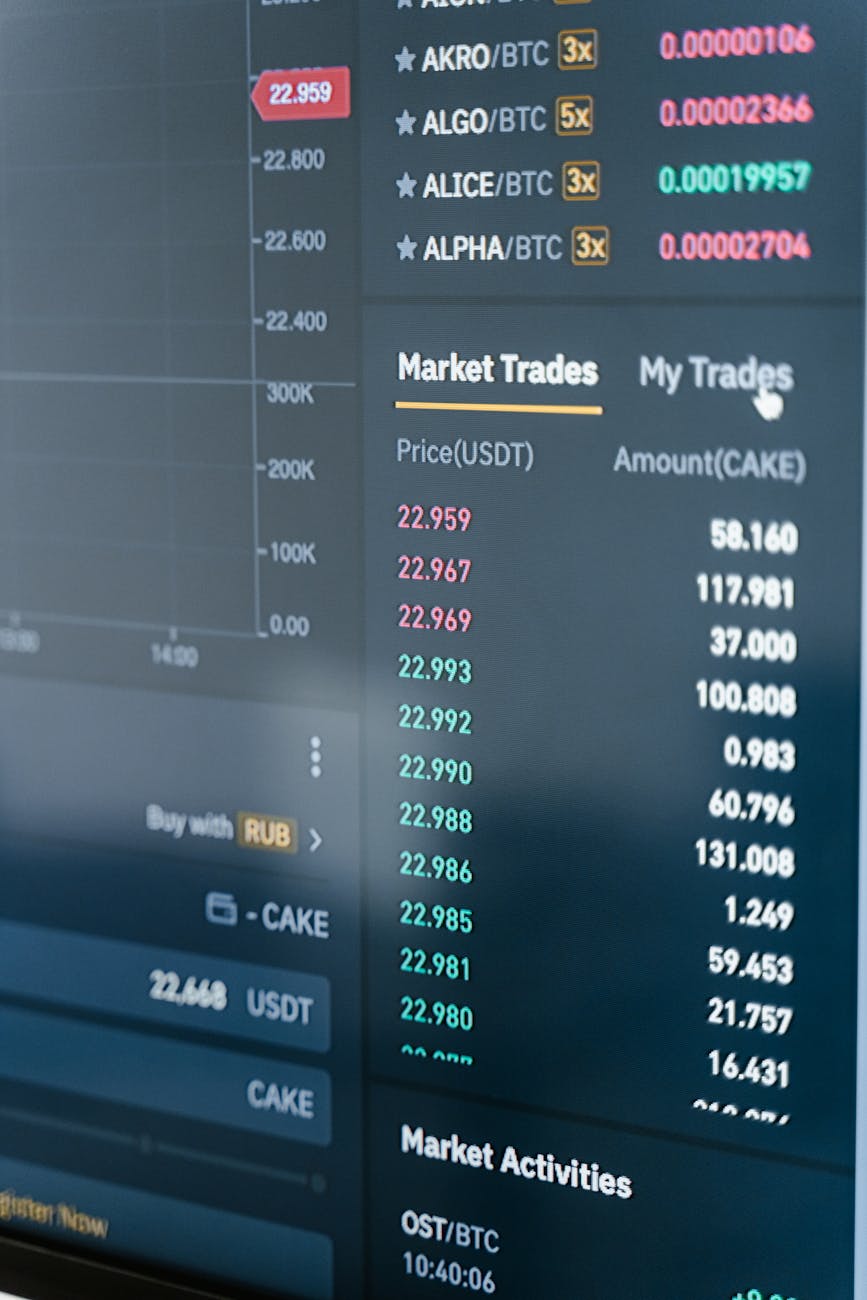
Beginners can make money trading crypto, but results are often slower than many expect. Authoritative reports from regulators such as the U.S. Securities and Exchange Commission note that crypto markets are highly volatile, which increases both profit potential and risk. Early losses are common while beginners learn how prices move and how different trading tools work.
The learning curve involves understanding market structure, order types, and basic risk management. This process usually takes time and practice, not quick guesses.
Consistency plays a key role in long-term outcomes. Using clear rules for entries, exits, and position size helps reduce avoidable mistakes. Rather than focusing on fast profits, beginners who treat crypto trading as a skill to develop over time tend to build more stable and realistic results.
Conclusions
Starting crypto trading as a beginner requires a structured approach. Following a step-by-step process, from learning the basics, choosing a reliable exchange, practicing on a demo account, to implementing risk management helps reduce early mistakes.
Authoritative sources emphasize that education, patience, and disciplined trading are essential for long-term success. Beginners should focus on building knowledge, managing risk, and developing consistent strategies rather than chasing quick profits.
Over time, following these principles can improve trading outcomes and confidence. Remember, crypto markets are volatile, so prioritizing careful planning and risk control is more important than immediate gains.
FAQs
Is crypto trading legal?
Yes, crypto trading is legal in many countries, including the U.S. and the UK, as long as you comply with local regulations and tax reporting requirements.
How long does it take to learn crypto trading?
Learning crypto trading can take weeks to months. Beginners need time to understand market mechanics, technical analysis, and risk management before trading with real money.
Can I trade crypto daily as a beginner?
Daily trading is possible, but beginners should start slowly. Frequent trading increases risk, and inexperienced traders can incur losses without proper strategy and risk control.
What is the safest crypto to trade?
Bitcoin and Ethereum are generally considered safer due to their liquidity, adoption, and market stability, but all cryptocurrencies carry risk, and diversification is important.

Leave a Reply