

































How to Start Forex Trading for Beginners: A Step-by-Step Guide 2026 (No Experience Needed)
Forex trading, also known as foreign exchange trading, involves buying one currency while selling another, aiming to profit from changes in exchange rates. According to the Bank for International Settlements, it is the largest financial market in the world by daily trading volume. Many beginners are drawn to forex because of its low entry barriers, 24-hour market access, and the ability to trade with small capital.
However, a common misconception is that forex trading is an easy way to make quick profits. In reality, it requires discipline, risk management, and learning. This guide helps beginners avoid costly mistakes by focusing on realistic expectations and informed decision-making.
What Is Forex Trading? (Beginner Explanation)
Forex trading means exchanging one country’s currency for another with the aim of benefiting from changes in their value. In this market, currencies are always traded in pairs because one currency is being bought while another is sold. For example, EUR/USD represents the euro against the US dollar. If the pair rises, it means the euro is gaining value compared to the dollar. If it falls, the dollar will become stronger.
The foreign exchange market operates globally and is supported by banks, businesses, and governments, as noted by the Bank for International Settlements. Unlike crypto or stocks, forex focuses only on currencies and reacts more to economic data and central bank policies.
How Forex Trading Works

Forex trading involves buyers and sellers exchanging currencies through a global market. Every trade has two sides: one trader buys a currency while another sells it. Prices are shown as a bid and an ask. The bid is the price buyers are willing to pay, while the ask is the price sellers accept. The difference between them is called the spread.
Price movement is measured in pips, which represent small changes in value. Trades are placed in lots, meaning standardized trade sizes rather than single units. Leverage allows traders to control larger positions with a smaller amount of capital, though it increases both potential gains and losses. According to major regulators, brokers typically earn through spreads, commissions, or both.
Is Forex Trading Good for Beginners?
Forex trading can be accessible to beginners because it operates 24 hours a day, offers high liquidity, and allows traders to start with relatively small amounts. Many platforms also provide demo accounts, which help new users practice without financial risk.
However, beginners must clearly understand the risks. Currency prices can move quickly, and leverage can magnify losses as much as gains. Regulatory bodies consistently warn that a large percentage of retail traders lose money.
Realistic expectations are essential. Forex trading is not a guaranteed income source, and consistent profits usually require time, education, and discipline. Forex may suit individuals willing to learn risk management and control emotions. It may not be suitable for those seeking quick profits or unable to handle financial losses.
Step-by-Step Guide to Start Forex Trading for Beginners

Step 1 – Learn the Basics First
Education is the foundation of forex trading. Authoritative bodies like central banks and regulated brokers stress that understanding how the market works reduces avoidable mistakes. Beginners should first learn core concepts such as currency pairs, pricing, and market hours. Free resources, including broker education hubs and financial regulator websites, are useful for fundamentals. Paid courses can add structure, but they are not required at the early stage.
Step 2 – Choose a Reliable Forex Broker
A reliable broker is critical. Beginners should look for regulation by recognized authorities, clear fee structures, and access to common platforms like MetaTrader. Low spreads and transparent execution matter more than bonuses. Red flags include unregulated brokers, guaranteed profit claims, and pressure to deposit quickly.
Step 3 – Open a Demo Account
A demo account allows trading with virtual money in real market conditions. Regulators and professional traders recommend this step because it helps beginners learn platform tools and order execution without financial risk. Practicing for several weeks or months builds familiarity before moving to real funds.
Step 4 – Learn Basic Forex Analysis
Forex analysis generally falls into two areas. Technical analysis focuses on price charts and trends, while fundamental analysis looks at economic news such as interest rates and inflation data. For beginners, keeping analysis simple helps avoid confusion and emotional decisions.
Step 5 – Build a Simple Trading Strategy
A trading strategy is a clear set of rules for entering and exiting trades. A beginner-friendly approach may involve trading one currency pair using basic trend signals. Having rules helps reduce impulsive actions and improves consistency.
Step 6 – Risk Management for Beginners
Many beginners lose money due to poor risk control. Position sizing means limiting how much capital is risked per trade. Stop-loss and take-profit orders help manage losses and lock in gains automatically.
Step 7 – Start Trading With Small Capital
Starting small allows beginners to learn under real conditions without heavy pressure. Using low leverage and focusing on consistent execution, rather than fast profits, aligns with guidance from regulated financial institutions.
Common Forex Trading Mistakes Beginners Make
Many beginners struggle in forex because of avoidable mistakes highlighted by regulators and professional market educators. One common issue is overtrading, where too many trades are opened without clear reasons, increasing costs and risk. Another frequent mistake is trading without a stop loss, which can lead to large losses when markets move quickly.
Beginners also often copy trading signals blindly without understanding the logic behind them, making it hard to manage risk. Emotional trading, driven by fear or greed, can result in poor timing and inconsistent decisions. Finally, unrealistic profit expectations cause many new traders to use excessive leverage, despite warnings from financial authorities that forex trading involves high risk and requires discipline.
How Much Money Do Beginners Need to Start Forex Trading?
There is no fixed amount required to start forex trading, but most regulated brokers allow beginners to open accounts with relatively small deposits. Many start with amounts ranging from $50 to $500, depending on broker requirements and account type. However, having more money does not automatically lead to higher profits.
Authoritative sources like financial regulators stress that risk management, not account size, is what protects traders over time. A common guideline is to risk only a small portion of capital on each trade, often 1–2 percent, to limit losses. This approach helps beginners stay in the market longer, learn consistently, and avoid large drawdowns while gaining practical experience.
Best Forex Trading Tools for Beginners
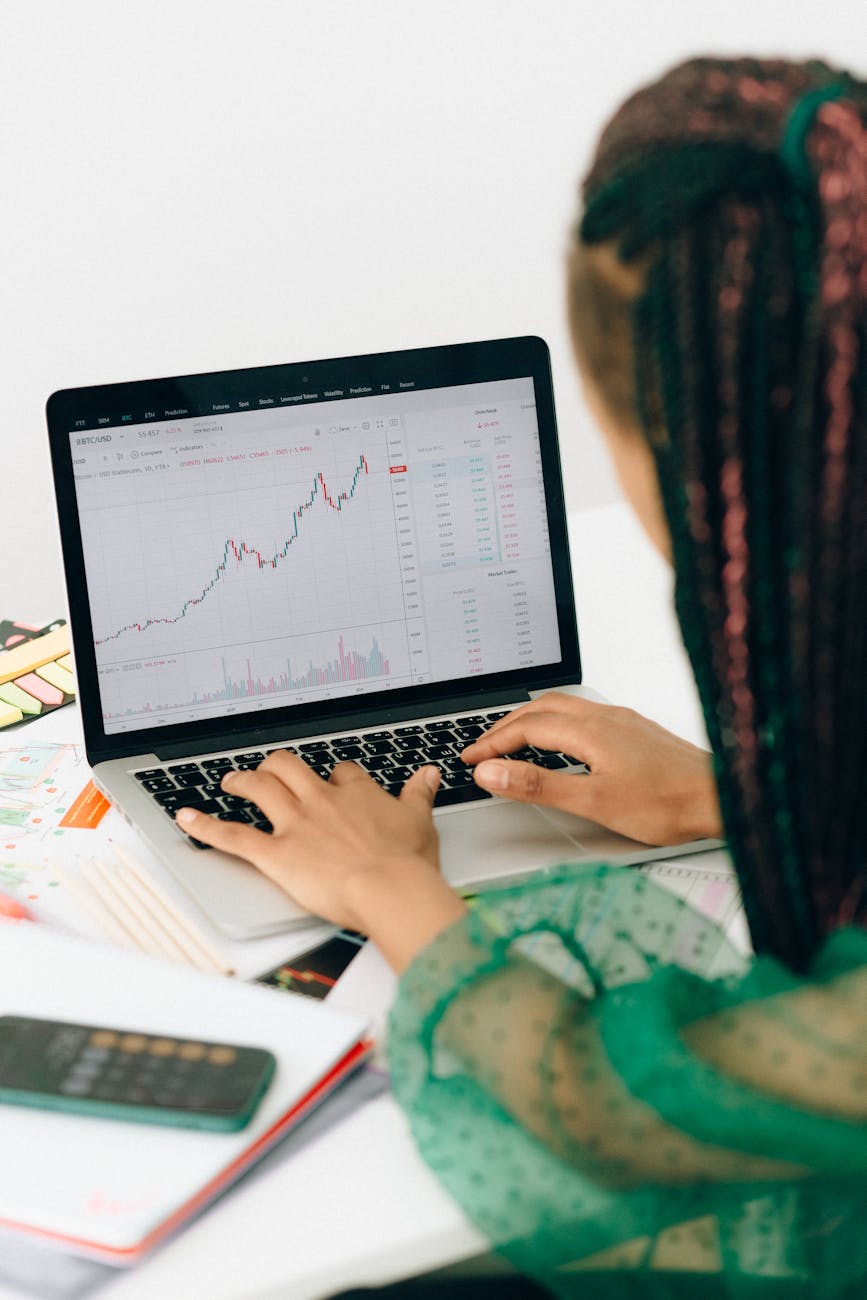
Using the right tools can make learning forex trading more structured and manageable. Most beginners start with well-known trading platforms like MetaTrader 4 (MT4) or MetaTrader 5 (MT5). These platforms, widely supported by regulated brokers, offer price charts, basic indicators, and demo accounts for practice. Economic calendars are another essential tool.
They help traders track major events such as interest rate decisions and inflation reports, which can influence currency prices. Trading journals are equally important, as they allow beginners to record trades and review mistakes over time. Simple risk calculators also help traders estimate position size and potential loss before entering a trade, supporting disciplined risk management from the start.
Forex Trading vs Crypto Trading for Beginners
Forex trading and crypto trading both involve buying and selling assets to profit from price changes, but they differ in structure and risk. Forex focuses on national currencies, such as EUR/USD, and operates in a highly liquid market regulated in many countries. Crypto trading involves digital assets like Bitcoin and Ethereum, which trade on exchanges that may have lighter regulation.
In terms of volatility, cryptocurrencies often experience larger and faster price swings, while forex markets usually move in smaller, steadier ranges. This difference affects risk levels. For beginners, forex is often considered easier to learn because of its longer history, clearer rules, and abundant educational resources. Crypto trading may require greater tolerance for rapid price changes and market uncertainty.
Can Beginners Really Make Money Trading Forex?
Beginners can make money trading forex, but the reality is often different from online success stories. Data from major regulators, such as the U.S. Commodity Futures Trading Commission and the UK’s Financial Conduct Authority, show that a large percentage of retail traders lose money, especially in their early stages. Profitability usually takes time, not weeks or months. Many traders need a long learning period to understand market behavior, risk control, and strategy execution.
Discipline and patience play a central role. Successful traders focus on managing losses, following clear rules, and avoiding emotional decisions. Forex trading is less about quick gains and more about consistency over time. For beginners, realistic expectations and steady learning are more important than short-term profit goals.
Conclusion
Forex trading offers opportunities, but it also carries clear risks that beginners must understand. Key takeaways include learning how the market works, accepting that losses are part of trading, and avoiding unrealistic profit expectations. Authoritative sources such as the Financial Conduct Authority and the U.S. Commodity Futures Trading Commission consistently stress the importance of education and strong risk control.
Beginners who focus on protecting capital, using stop losses, and trading small sizes are better positioned to survive the learning phase. Long-term success in forex depends more on discipline, patience, and continuous learning than on finding quick profits or perfect strategies.
FAQs
Is forex trading legal?
Yes, forex trading is legal in many countries when done through regulated brokers. Laws vary by region, so traders should always follow local financial regulations.
How long does it take to learn forex?
Learning forex basics may take weeks, but developing consistent trading skills often takes several months or longer, depending on practice, discipline, and education quality.
Is forex trading gambling?
Forex trading is not gambling when approached with analysis, risk management, and a clear plan. Without these, trading can resemble gambling behavior.
Can I trade forex part-time?
Yes, many traders participate part-time by focusing on higher timeframes and planned sessions, allowing them to trade alongside jobs or other commitments.
Leave a Reply